


Instagram and TikTok are suddenly flooded with videos of women doing remarkably ordinary things.
One New York professional, for example, has built a large following by posting her intentionally boring evening routines.
They go something like this: She comes home from work, disinfects her shoes, showers, makes dinner, does her skincare, uses her red-light device, practices a little yoga, and watches Netflix with her cat Lucas.
(Then she does some version of it all over again the next night.)
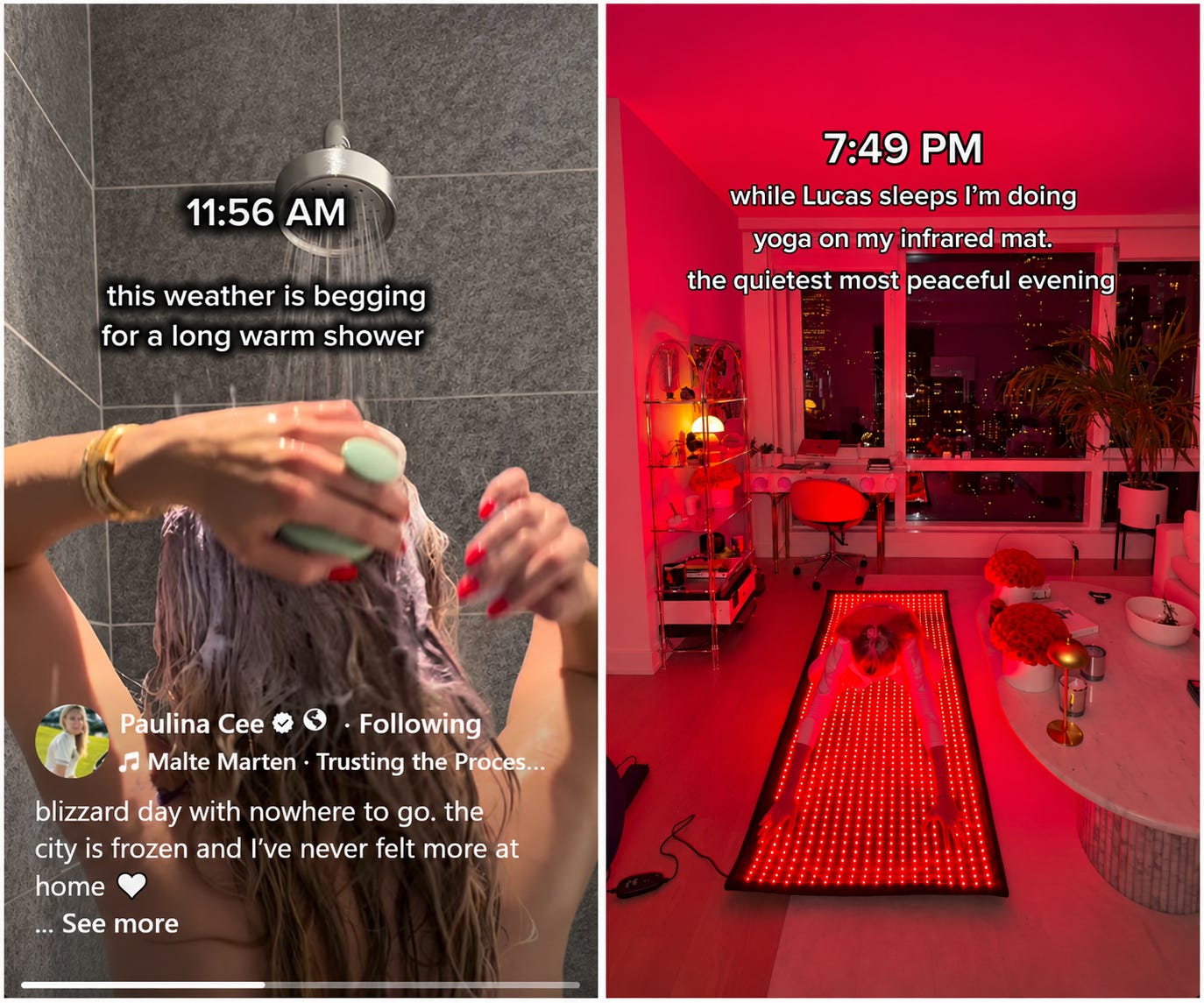
Paulina Cee, better known as @itspaulinacee, belongs to a growing genre of creators whose content revolves around quiet evenings at home, soothing routines, and highly ritualized self-care. Her posts are filled with the small acts that make ordinary life feel intentional: a face mask, a beautifully plated dinner, supplements arranged on a counter, freshly washed sheets, a candle, or a favorite show.
Almost nothing happens.
And that’s precisely why the content works.
The appeal is not really the red-light mask or the skincare serum. In a world of constant stimulation and obligation, consumers are increasingly drawn to small rituals that create a sense of meaning, identity, and control within lives that can feel rushed and overwhelming.
For wellness brands, that distinction has enormous implications.
Modern life moves quickly. We are balancing multiple roles at once, shifting between work, relationships, caregiving, household responsibilities, schedules, notifications, and endless to-do lists. With so little space between obligations, it becomes easy to move through an entire day on autopilot.
A small ritual creates a pause.
It gives people a way to return to the present moment, even briefly, and reconnect with a version of themselves they want to inhabit. The action may be simple, but repetition gives it significance.
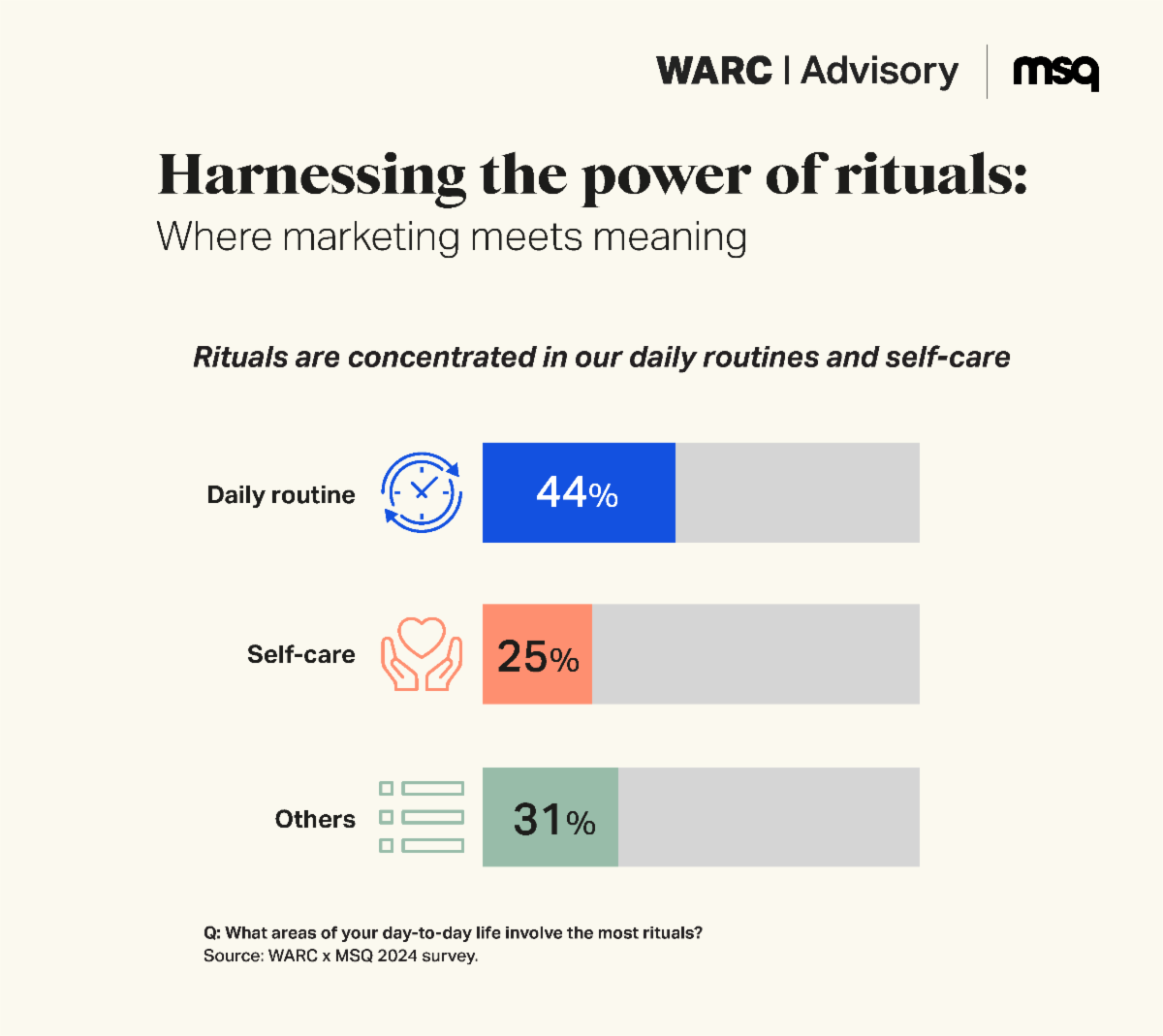
This helps explain the appeal of daily-use supplements, body care, and other wellness routines. The opportunity for brands is no longer limited to creating a product with a compelling benefit. It is also about creating something people genuinely look forward to using.
From product to ritual
That is where many newer wellness products differ from traditional offerings.
Bloom didn’t just create another greens formula. It created a colorful drink that gets scooped, mixed, and consumed as part of a daily routine. The brand emphasizes flavor as a way to make consistency easier, encouraging consumers to mix the daily serving with water, juice, or a favorite beverage.
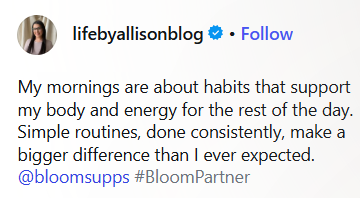
The color matters. So do the taste, texture, aroma, and the vessel sitting on the kitchen counter.
Sensory pleasure can support compliance because it gives the consumer something to anticipate—not just a benefit to remember. When repetition becomes pleasurable, the product can attach itself to a specific moment in the day: the first drink after waking, the afternoon reset, or the post-workout routine.
That is more powerful than simply owning a benefit.
Diptyque builds around the ritual
Luxury fragrance house Diptyque offers an unusually explicit example of this strategy. On September 1, the company launched its first dedicated bath-and-body collection, Les Rituels de Soin.
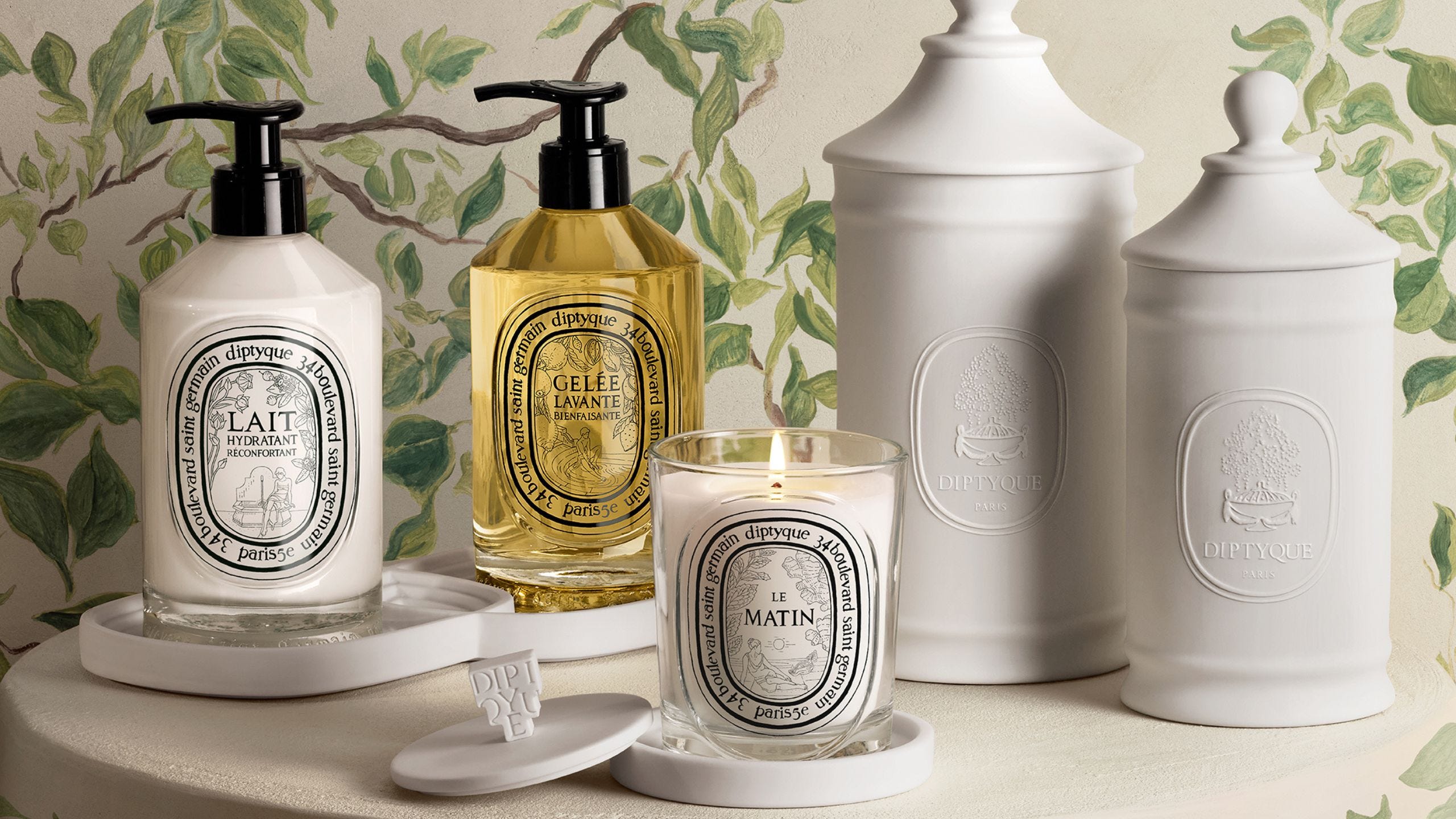
Rather than presenting the assortment as a collection of unrelated scrubs, oils, lotions, and accessories, Diptyque divided it into two distinct rituals:
Le Matin. Le Soir.
Morning and evening.
That is more than merchandising language. It gives multiple products a reason to coexist.
Diptyque says body care currently represents 5% of its sales and expects that figure to reach approximately 11% following the expansion. Its Americas body-and-hand-care sales rose 34% in 2025 and another 27% during the first six months of 2026, compared with the same period a year earlier.
The broader strategic point, however, is clear: the company is responding to consumers who use different products at different moments of the day—and designing the assortment around those moments.
Wellness brands can borrow that principle without borrowing Diptyque’s luxury aesthetic.
A product line might be organized around:
Times of day — morning activation, evening wind-down.
Days of the week — Sunday reset, weekend recovery.
Seasons — winter immune support, summer hydration, seasonal skin repair.
Life stages — pregnancy, postpartum, perimenopause, healthy aging.
Specific occasions — travel, post-workout recovery, stressful workdays.
Recovery periods — post-surgery support or return-to-routine programs.
Protocols — a 30-day gut reset or 90-day metabolic program.
Maintenance — the ongoing routine after the initial intervention.
Starbucks’ Pumpkin Spice Latte is, perhaps, the ultimate example of seasonal of ritual engineering. By limiting its availability, it transformed a simple beverage into a cultural phenomenon that signals the official start of fall—complete with associations, content, rituals and an unofficial “PSL Launch” countdown.
And the ritual appears to have real commercial force. Visits on PSL launch day were 25.7% above Starbucks’ 2026 year-to-date daily average and 35.1% above its average Tuesday., according to Placer.ai.

The lesson for wellness brands is not to manufacture artificial scarcity. It is to recognize that recurring moments can become demand-generating occasions in their own right.
Once a brand owns that ritual, it has permission to extend into the other products that naturally belong there. The expansion feels less like a line extension and more like the completion of a routine the customer already understands.
Ritual as an acquisition engine
There is another advantage that is easy to overlook: rituals are inherently demonstrable.
A bottle of capsules is not particularly interesting content on its own. A morning greens drink is. So is an “everything shower,” a skincare routine, a beautifully arranged sleep ritual, or a Sunday reset.
That helps explain why wellness brands fit so naturally into routine content on TikTok, Instagram, and YouTube. The product does not need to interrupt the creator’s content because the usage itself becomes the content.
This creates a powerful loop:
A brand designs a visually and sensorially distinctive ritual.
Customers repeat it.
Creators demonstrate it.
Other consumers imagine themselves doing it.
The behavior becomes recognizable.
Recognizability strengthens the brand.
More customers adopt the ritual.
In the best cases, the product begins to function almost like a prop in a cultural script. It is no longer merely something the customer owns. It becomes part of who she is, how she organizes her day, and the kind of life she wants to make visible.
That may be the real competitive advantage of ritual: it turns consumption into participation.
Winning brands do not simply sell superior products. They create experiences people want to repeat—and put on display.